



















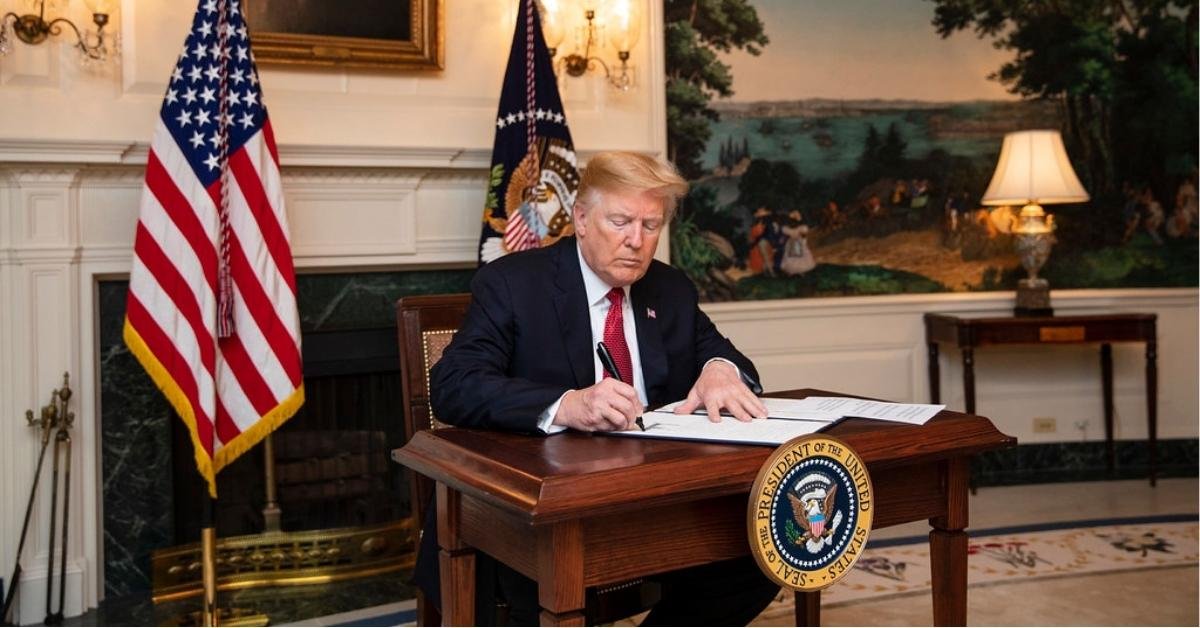
The United States has reauthorized the African Growth and Opportunity Act (AGOA), extending the trade preference programme through December 31, 2026, following the signing of the legislation into law by Donald Trump on Tuesday.
The reauthorization applies retroactively from September 30, 2025, ensuring continuity of duty-free access for eligible African exports to the U.S. market.
Ambassador Jamieson Greer, in a statement issued after the signing, said the renewed programme would be reviewed and updated to reflect current U.S. trade priorities.
“AGOA for the 21st century must demand more from our trading partners and yield more market access for U.S. businesses, farmers, and ranchers,” Greer said, noting that the administration would work with Congress over the next year to modernize the framework in line with President Trump’s America First trade policy.
Greer added that the goal is to ensure the programme continues to enhance two-way trade between the United States and Africa while delivering measurable benefits to U.S. exporters.
In the coming days, the Office of the United States Trade Representative (USTR) is expected to work with relevant federal agencies to implement any changes to the Harmonized Tariff Schedule of the United States resulting from the reauthorization.
AGOA grants eligible sub-Saharan African countries duty-free access to the U.S. market for more than 1,800 products, in addition to over 5,000 items already covered under the Generalized System of Preferences. The programme has been a cornerstone of U.S.–Africa trade relations since its introduction in 2000, supporting exports in sectors such as textiles, agriculture, and light manufacturing.
To qualify for AGOA benefits, participating countries must meet strict eligibility criteria, including progress toward a market-based economy, adherence to the rule of law, political pluralism, and respect for due process. Beneficiary countries are also required to remove barriers to U.S. trade and investment, implement anti-corruption measures, reduce poverty, and protect human rights.
Trade analysts say the short-term extension provides certainty for African exporters but underscores the urgency of broader reforms as the programme approaches its next review cycle.