

















Fitch Ratings has affirmed Nigeria’s Long-Term Foreign-Currency Issuer Default Rating at ‘B’ with a stable outlook, citing improving macroeconomic stability from recent reforms but warning that structural weaknesses continue to constrain the country’s credit profile.
The rating action, announced on Friday, leaves Nigeria’s sovereign rating unchanged and reflects what Fitch described as gradual progress in restoring policy credibility, particularly in the foreign exchange market. However, the agency said these gains are not yet sufficient to warrant an upgrade.
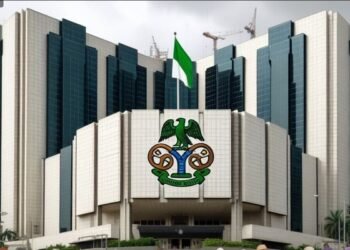
Reforms introduced since 2023 by the Central Bank of Nigeria have supported a gradual normalisation of the FX market. Fitch noted that measures such as lifting restrictions on the repatriation of oil export proceeds by international oil companies are improving liquidity and investor confidence.
Despite this, the agency warned that the naira could face renewed pressure in the near term due to rising fiscal demands and external risks.
Nigeria’s external buffers have strengthened, with gross foreign exchange reserves rising to $49.4 billion in March 2026 from $32 billion in April 2024. Fitch expects reserves to ease slightly to around $47 billion by the end of the year but said coverage of external payments remains above the median for similarly rated countries.
The agency projected economic growth at 4.1% in 2026, supported by improved FX stability and non-oil sector activity. However, it cautioned that inflationary pressures could weigh on growth momentum.
Inflation has moderated to about 15% from 23% in 2024, but Fitch said it remains well above the ‘B’ rating median and could rise again if fiscal policy loosens or fuel prices increase.
On the fiscal side, Fitch expects Nigeria’s general government deficit to widen to nearly 5% of GDP in 2026, driven by higher spending, including security outlays and election-related costs ahead of the 2027 general elections.
Government debt remains moderate at about 38% of GDP, below the median for ‘B’-rated peers. However, Fitch highlighted Nigeria’s high interest burden, with the federal government’s interest-to-revenue ratio exceeding 50%, as a key constraint on fiscal flexibility.
The agency also pointed to persistently low government revenue, which it said remains among the weakest of Fitch-rated sovereigns, limiting the country’s capacity to absorb shocks.
Nigeria’s banking sector has been bolstered by a recapitalisation drive that concluded in March 2026, with most lenders raising fresh capital to meet new regulatory thresholds. Fitch said stronger capital positions improve resilience and provide scope for credit expansion.
Fitch said the stable outlook reflects a balance between ongoing reform efforts and continued macroeconomic risks. It added that sustained progress in reducing inflation, improving revenue mobilisation and maintaining policy consistency could support future rating upgrades, while a deterioration in fiscal or external conditions could lead to downward pressure.