
















By John Olanipekun
Few institutions shape daily life as much as the Central Bank, and few are understood as little. Its decisions on interest rates and money supply sound technical and remote. Yet they reach the price of bread, the cost of your bus fare, the chance of finding work and the odds that a small business will survive. When a central bank does its job well, nobody notices. When it does not, everybody pays.
The job is simple to state. A central bank manages the supply and cost of money so that prices stay stable, growth is sustainable and the financial system holds together. It has a modest toolkit: a policy rate, which sets the price at which banks borrow; reserve requirements, which fix how much of their deposits banks must park with it; and open-market operations, through which it adds liquidity to the system or drains it. Each tool works through the same channels, namely credit, exchange rates and, not least, expectations.
The stakes are social before they are economic. Inflation is the cruellest tax because it falls hardest on those least able to bear it. A wealthy household can absorb dearer food and fuel; a poor one, which spends most of its income on essentials, cannot. Price stability is thus a foundation on which real wages, savings and trust in the currency rest.
Yet the instrument cuts both ways. Cheap money supports jobs and softens recessions, which matters to the young and unskilled, who are first out of work when the economy sours. But it also squeezes savers and can inflate the assets of those who already own plenty. Tight money tames prices but, pushed too far, chokes credit, slows hiring and raises unemployment. There is no free lunch in the central banker’s kitchen, only a choice of who pays and when.
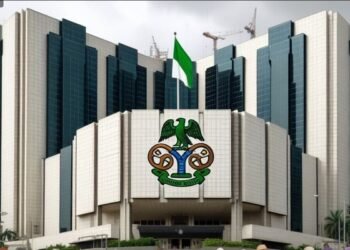
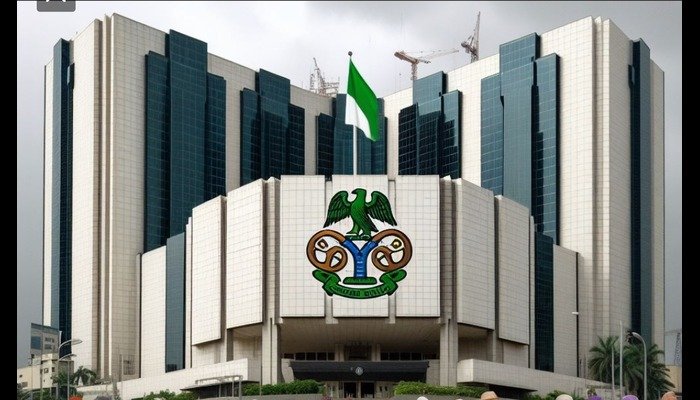
Nigeria offers a vivid lesson. Since 2023 the country has stripped away a petrol subsidy, liberalised its foreign-exchange market and stopped financing the government’s deficits through the central bank. These were overdue reforms, but they came with a shock: a weaker naira, dearer fuel and inflation that climbed above 30%. The Central Bank of Nigeria responded with force. It raised its policy rate by more than 800 basis points, to a peak near 27.5%, and held the cash reserve requirement at a punishing 45%.
The medicine worked. Inflation has fallen to about 15.4%, reserves have risen above $50bn by some counts, the currency has steadied and growth has returned to around 4%. In September the Monetary Policy Committee reset the policy rate to 23%, calling it an operational realignment rather than a loosening.
But macroeconomic repair—which the Central Bank has done—is not the same as household relief. Prices remain far above where they were. Cash transfers help, but they reach too few. Stability has been won; prosperity has not yet followed.
That gap points to the central lesson: monetary policy is necessary but never sufficient. While a central bank can buy time. It cannot build roads, secure farmland, educate children or raise productivity. Those tasks belong to fiscal policy and structural reform, and the two arms of policy must pull in the same direction. When governments run large, persistent deficits, they invite “fiscal dominance”, in which the central bank is pressed to fund the state rather than defend the currency.
The remedy is coordination without capture. Central banks need independence to resist political pressure, but they also need a government that keeps its books in order, a clear framework of targets and rules, and honest dialogue between finance ministry and monetary authority. Each must respect the other’s mandate.
Nigeria’s experience shows both the necessity and the limits of monetary discipline. Without it, the country would have faced something worse than the pain it has endured. With it alone, the pain will not end. A stable Naira is the beginning of a better economy, not the destination.
– John Olanipekun, an Economist who writes from Osun State