














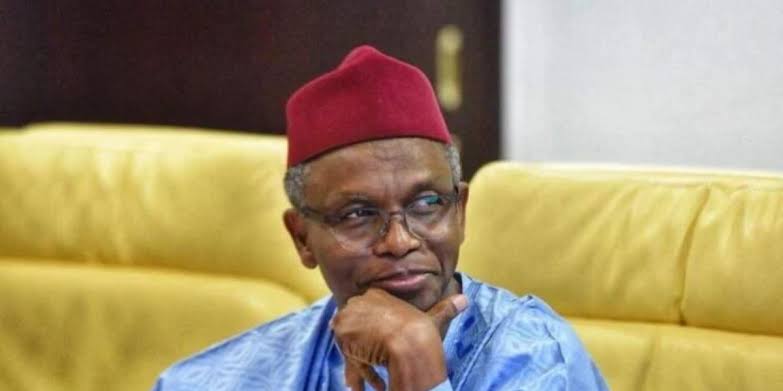
The family of former Kaduna State Governor, Nasir El-Rufai, has strongly denied allegations by the Independent Corrupt Practices and Other Related Offences Commission (ICPC) that sophisticated phone-tapping equipment was discovered during a search of his property.
In a statement signed by Mohammed Bello El-Rufai, who represents Kaduna North Federal Constituency in the House of Representatives, the family described the claims as “falsehoods and theatrical posturing,” accusing the anti-graft agency of waging a media campaign rather than pursuing lawful prosecution.
The statement faulted the ICPC for suggesting that El-Rufai’s alleged refusal to cooperate amounted to guilt, insisting that the 1999 Constitution guarantees every Nigerian the right to remain silent.
Quoting the former governor, the family said El-Rufai had repeatedly challenged authorities to file charges if there was credible evidence against him.
“Charge me, if you have anything against me. You have had more than two years to investigate me. Take me to court,” the statement quoted him as saying.
According to the family, any attempt to interpret silence as an admission of wrongdoing reflects a misunderstanding of constitutional safeguards.
“No Sophisticated Equipment Found”
The family dismissed the ICPC’s inventory of seized items as fictitious, maintaining that only old mobile phones, flash drives, and laptops were recovered — items they described as standard personal belongings.
They insisted no surveillance devices or classified security documents were found at the premises.
Allegation of Forged Warrant
In a dramatic twist, the family alleged that the search warrant used to conduct the operation was fraudulently procured. They claimed a magistrate improperly issued a warrant under the guise of a High Court judge — a development they described as rendering the entire exercise legally void.
The family disclosed that their legal team has already challenged the warrant in court, urging the ICPC to defend its actions before a competent judicial authority.
The statement further accused the anti-corruption commission of acting on behalf of unnamed “political masters” and attempting to tarnish El-Rufai’s reputation through media leaks.
While affirming faith in the Nigerian judiciary, the family vowed to pursue legal remedies against what it termed an illegal search and defamatory publications.
The ICPC has yet to publicly respond to the latest claims as of press time.
The statement was issued on March 2, 2026, and concluded with a Ramadan message, calling for prayers for peace in Nigeria and across the world.