












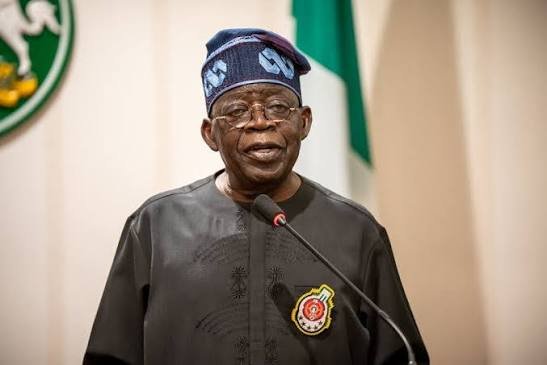
Nigeria has attracted more than $10 billion in upstream oil and gas investments over the past three years as reforms introduced by the Tinubu administration continue to restore investor confidence in the energy sector, Special Adviser to the President on Oil and Gas, , said on Monday.
Speaking at the opening of the 25th NOG Energy Week Conference and Exhibition in Abuja, Verheijen said Nigeria has built a visible upstream investment pipeline worth more than $50 billion and is targeting crude oil production of three million barrels per day and gas output of 10 billion standard cubic feet per day by 2030. She added that the country would require about $38.3 billion in additional investment to sustain current production and achieve those targets.
Nigeria has struggled for years to increase crude oil production because of oil theft, pipeline vandalism, ageing infrastructure and underinvestment. Verheijen said reforms introduced since 2023—including improved fiscal terms, streamlined regulation and faster project approvals—were helping reverse that trend.
According to her, crude oil and condensate production has increased by about 400,000 barrels per day since 2023, while more than $10 billion in long-delayed final investment decisions (FIDs) have been secured. She also said Nigeria’s external reserves have exceeded $50 billion, describing the figures as evidence of renewed investor confidence.
Verheijen said the government’s reform programme extends beyond oil and gas to the electricity sector through the ₦4 trillion Presidential Power Sector Financial Reforms Programme, which is designed to restore financial stability across the electricity value chain.
She said the programme aims to resolve legacy payment obligations, strengthen payment discipline and rebuild confidence among electricity generation companies, gas suppliers and lenders. The initiative is intended to clear longstanding financial constraints that have discouraged investment and affected electricity supply, with the broader goal of delivering more reliable power to industries, businesses and households.
Turning to gas development, Verheijen acknowledged that recent increases in cooking gas prices had placed additional pressure on households despite Nigeria’s abundant natural gas resources.
She said the government was expanding domestic LPG supply, improving market transparency and supporting affordability through tax incentives. Under the 2024 VAT Modification Order, liquefied petroleum gas (LPG), cylinders, regulators, conversion kits and installation services are exempt from VAT.
According to her, the government has also supported import duty exemptions for LPG infrastructure projects worth about $92.6 million, including $30.4 million approved this year.
Verheijen said indigenous participation in Nigeria’s gas industry has increased from 69 per cent to 83 per cent. She cited the 650,000-barrel-per-day Dangote Refinery as evidence of the scale of industrial investment taking place in Africa’s energy sector, adding that companies such as Seplat, Oando and Renaissance were expanding the role of indigenous operators across the industry.
She said sustaining the momentum would require consistent policy implementation, faster regulatory approvals and greater transparency to keep Nigeria competitive in attracting global investment.
The remarks underscore the government’s efforts to convince investors that recent fiscal and regulatory reforms are improving Nigeria’s competitiveness at a time when African oil and gas producers are competing for limited global capital. At the same time, they highlight the scale of investment still required to meet the country’s production ambitions and strengthen energy security.