















The Federal Government has unveiled plans to create about 7,000 direct jobs through a new estate-based ranching programme aimed at empowering youths and women, boosting livestock productivity and driving rural economic development.
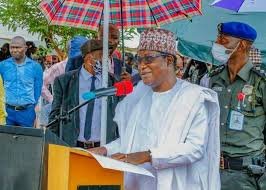
The initiative was announced by Nigeria’s Minister of Livestock Development, Idi Mukhtar Maiha, during a strategic meeting with the management of Access Bank Plc in Abuja on Thursday.
Maiha said the estate-based livestock management model would provide structured opportunities for young people and women to participate in ranch operations and other livestock-related businesses, while promoting modern and sustainable livestock production practices.
According to the minister, the programme is expected to generate approximately 7,000 direct jobs and stimulate growth across the dairy, red meat and leather value chains.
He said the initiative forms part of the Federal Government’s broader efforts to unlock the economic potential of Nigeria’s livestock sector and position it as a major contributor to economic growth, food security and employment generation.
Maiha identified dairy production, meat processing, feed and fodder development, and leather manufacturing as key areas with significant opportunities for expansion and investment.
The minister also called for innovative financing models tailored to the livestock industry, particularly dairy farming, noting that the sector requires longer production cycles before investors can realise returns.
He said Nigeria’s dairy industry has the potential to generate billions of dollars in economic value if supported by stronger collaboration among government agencies, financial institutions and private investors.
As part of plans to strengthen livestock infrastructure, Maiha disclosed that the ministry is pursuing the establishment of modern abattoirs in selected states and the Federal Capital Territory.
According to him, each facility will have the capacity to process at least 1,000 cattle daily, helping to improve meat quality and safety standards, reduce waste and enhance efficiency across the livestock value chain.
The minister also highlighted feed and fodder development as a critical component of the government’s livestock transformation agenda, stressing that animal nutrition remains a key factor in improving productivity.
To address the challenge, he said the ministry is working to expand pasture cultivation nationwide and develop feed resources closer to livestock production centres to reduce transportation costs and improve operational efficiency.
Earlier, Access Bank’s Public Relations Manager, Jonathan Oloniyo, expressed the bank’s readiness to collaborate with the ministry on initiatives aimed at unlocking the vast potential of Nigeria’s livestock industry.