


















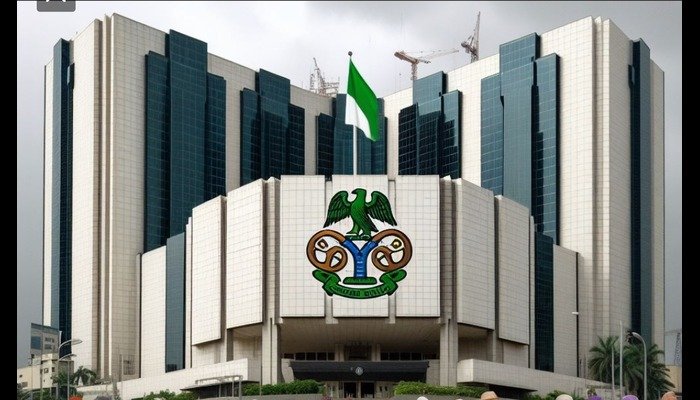
The Tinubu Stakeholders Forum (TSF) has said the Central Bank of Nigeria’s (CBN) newly issued Foreign Exchange Guidelines demonstrate growing confidence in the country’s foreign exchange market, describing the policy as another sign of the progress made under the Federal Government’s ongoing economic reforms.
In a statement on Wednesday signed by its Chairman, Ahmad Sajoh, and Secretary, Sada Danjuma, the Forum said the revised guidelines provide greater regulatory clarity for individuals and businesses while reflecting improvements in the stability and transparency of Nigeria’s foreign exchange market.
Under the new framework, individuals may move up to $50,000 in foreign currency out of Nigeria, subject to applicable declaration requirements, while the existing provision allowing travellers to carry up to $10,000 without declaration remains in place. The guidelines also set out clearer procedures for the import and export of foreign currency by travellers and other legitimate users.
According to TSF, the importance of the new framework goes beyond the revised cash movement thresholds. It said the guidelines reflect increasing regulatory confidence in the strength and integrity of Nigeria’s foreign exchange market following reforms aimed at improving liquidity, strengthening market-based price discovery, reducing distortions and encouraging greater use of formal financial channels.
The Forum said businesses, investors and travellers had for years grappled with foreign exchange shortages, multiple exchange rate windows, market fragmentation and regulatory uncertainty, all of which complicated legitimate transactions and weakened confidence in the market.
It argued that reforms introduced since 2023 have progressively transformed the foreign exchange landscape by improving access to foreign exchange through official channels, attracting capital inflows and restoring confidence among domestic and international investors.
TSF also linked the latest guidelines to broader improvements in Nigeria’s economic outlook, noting that international rating agencies have acknowledged progress in the country’s foreign exchange reforms.
The Forum recalled that S&P Global Ratings recently upgraded Nigeria’s sovereign credit rating from B- to B with a Stable Outlook, while Fitch Ratings affirmed the country’s rating and Stable Outlook, citing improvements in foreign exchange market functioning, policy reforms and external sector conditions.
According to TSF, predictable and transparent foreign exchange regulations are essential for attracting investment, facilitating international trade and supporting tourism and cross-border commercial activities. It welcomed measures that simplify legitimate foreign exchange transactions while maintaining safeguards against illicit financial flows and abuse of the financial system.
The Forum added that clearer rules would reduce uncertainty, improve regulatory compliance and enhance Nigeria’s attractiveness as an investment destination.
It urged travellers, businesses and financial institutions to comply fully with the declaration requirements and other provisions of the guidelines, stressing that transparency and accountability remain critical to safeguarding the integrity of the country’s financial system.
TSF said reforms that strengthen transparency, improve market confidence and encourage greater reliance on formal financial channels would support the broader objective of building a more resilient, competitive and globally integrated Nigerian economy.